

Understanding the New Flu Vaccine
Tests show that the mRNA influenza vaccine are more effective that the standard flu shot
By Eva Briggs, M.D.
 Fall is upon us and that means also flu season. Before flu season arrives is the time to think about getting a flu shot.
For many people, a bout of influenza means a few days or a week of feeling miserable and achy with a fever.
Somewhere between 28 million and 54 million people in the U.S. ended up with influenza last year.
That’s a lot of days of missed work, missed school and parents staying home to care for sick children.
Half a million people, give or take ended up in the hospital from the flu. An estimated 22,000 to 74,000 people died from influenza last season.
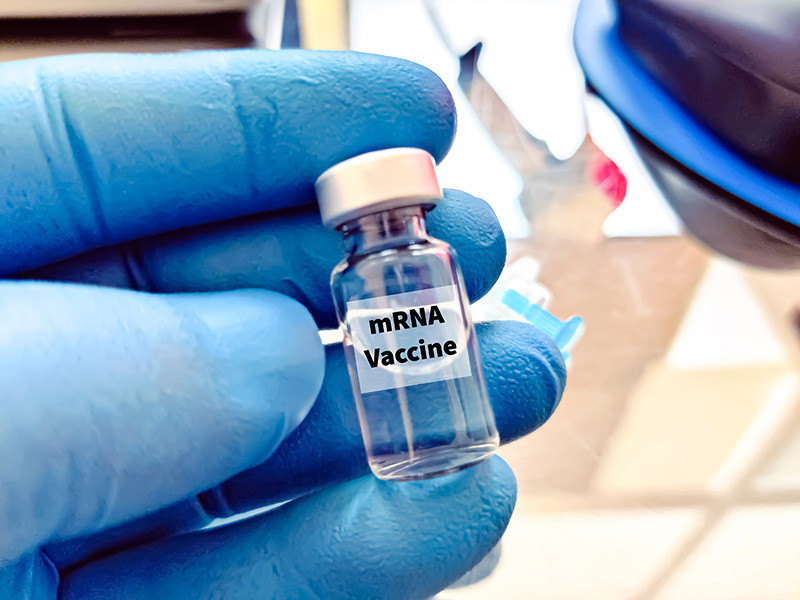
This year there is a new kid on the block, an mRNA vaccine.
Since the 1940s, the flu vaccine has been created by culturing virus in chicken eggs. It’s a labor-intensive process. Each batch spends nine to 12 days in the egg followed by months of adjusting and calibrating the dose to get the optimum vaccine. The whole process takes about six months.
Because the influenza vaccine mutates each year, scientists have to guess which strain will predominate in the upcoming influenza season at least half a year before the vaccine will be administered.
They could guess wrong.
Further changes in the influenza virus might produce a strain that wasn’t even on the radar when plans were made. Also, the virus can interact with the chicken eggs to alter the final product. Some years these factors mean the vaccine is not very effective.
Messenger RNA (mRNA) vaccines act by delivering a code to an individual’s cells. This code instructs the cells to make the protein found on the virus surface. When this protein is released into circulation, the immune system recognizes it as foreign and makes antibodies directed to destroy that protein. When the real influenza virus shows up weeks or months later, the body already knows how to make the necessary antibodies to ward off severe disease.
No chickens or eggs are needed. Producing the mRNA flu vaccine requires only two to three months. That means scientists can guess the likely strain of influenza closer to flu season, allowing less time for unanticipated changes to mess up the process.
Tests showed that the mRNA influenza vaccine was more effective that the standard flu shot. It was more likely to cause a sore arm, but otherwise equally safe.
Even with the current political climate that is often skeptical of vaccines, nine independent scientist reviewers voted to approve the mRNA flu vaccine. There was not a single vote against it. Of course, it remains to be seen whether insurers will cover the vaccine.
mRNA technology has shown success is treating some tough to beat cancers, such as melanoma and pancreatic cancer. And it’s also been used to treat some genetic disorders.
The traditional flu shot remains available this year. Whichever flu vaccine you choose, it’s the best way to reduce your chance of a serious influenza infection this winter.